Clash of the Titans: Ragù alla Bolognese vs. Ragù Napoletano
Northern dairy-buffered mince battles Southern slow-braised whole-cut muscle in an epic clash of Italian meat sauce chemistry.
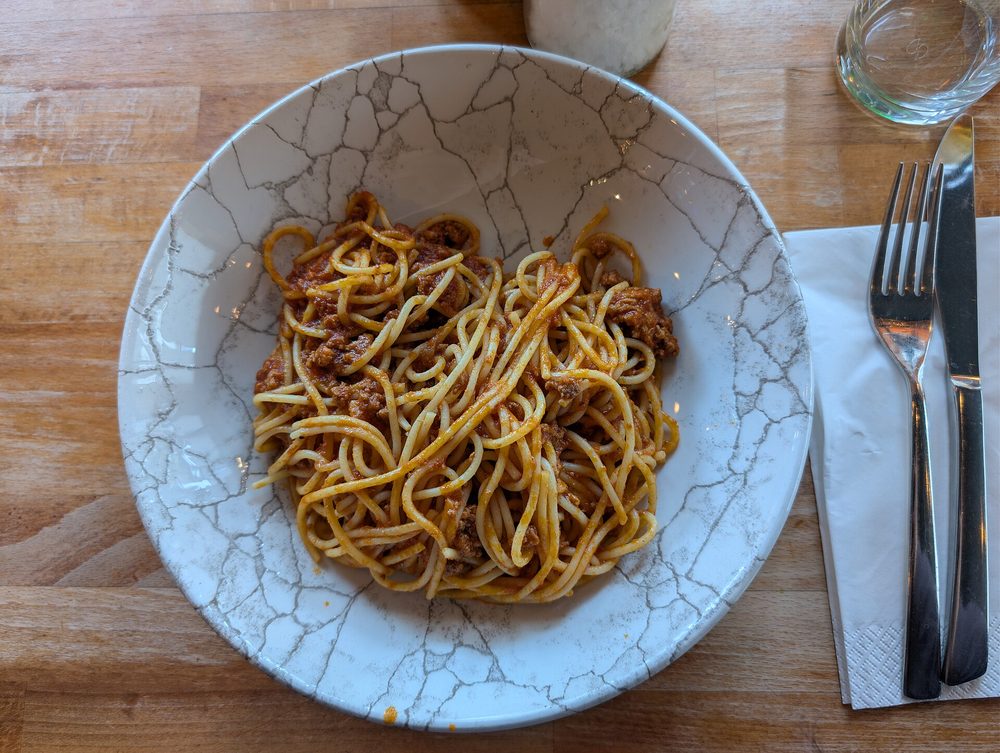
The Tale of the Tape: Regional Philosophies in Collision
In the blue corner, hailing from the fertile agricultural heartland of Emilia-Romagna, sits Ragù alla Bolognese: a masterclass in lipid suspension, dairy moderation, and comminuted meat physics. In the red corner, emerging from the volcanic, sun-scorched terroir of Campania, stands Ragù Napoletano: an operatic, whole-muscle, tomato-dominant endurance test defined by gelatin extraction and rhythmic low-frequency bubbling (il pippiare).
These two archetypes represent fundamentally opposing answers to a single culinary question: How do you extract maximum savory depth from animal protein and bind it seamlessly to cooked wheat starch? Bologna operates through micro-dispersal and soft dairy buffering; Naples dominates through macro-braising, high-acid tomato reduction, and rich gelatin matrices. Only one can claim technical and biomechanical superiority on the plate.
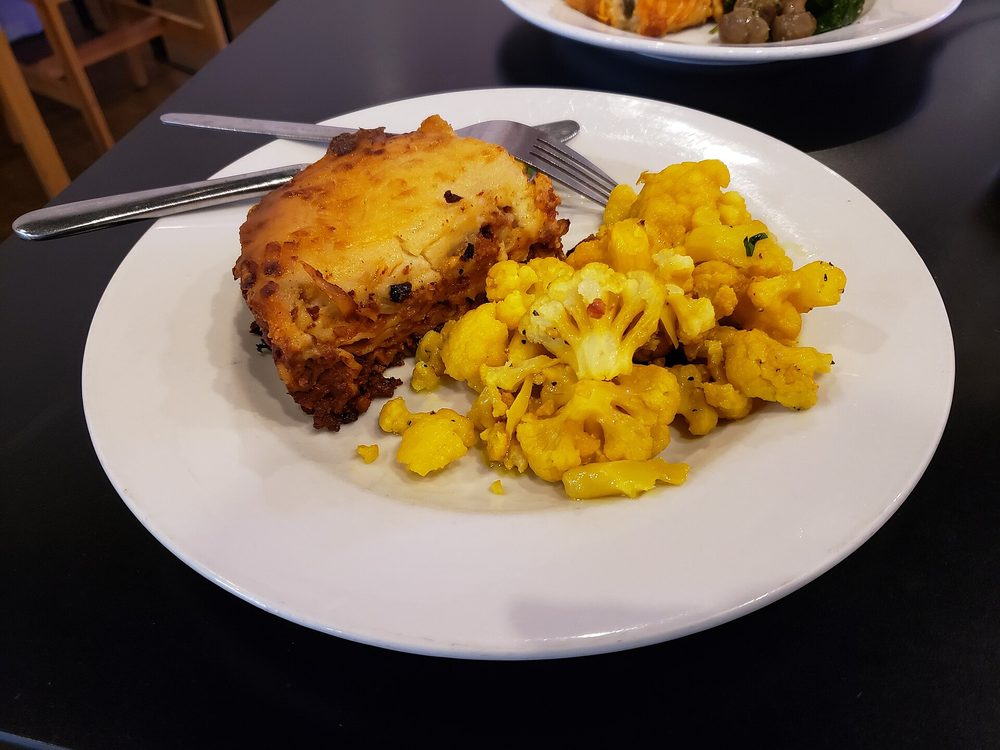
Tale of the Tape: Quantitative Matrix
| Metric | Ragù alla Bolognese | Ragù Napoletano |
|---|---|---|
| Protein Architecture | Finely ground beef chuck and pork belly/pancetta (3–5 mm grind) | Whole bone-in cuts (beef shin, pork ribs, rolled involtini/braciole) |
| Primary Medium | Milk solids, dry white wine, light meat stock | San Marzano plum tomatoes (passata / whole peeled) |
| Fat Substrate | Pancetta fat rendering, cultured butter, minimal olive oil | Extra virgin olive oil, rendered pork lard (strutto) |
| Extraction Phase | 3.5 to 4.5 hours at 85°C–88°C | 6.0 to 8.0 hours at 80°C–85°C (il pippiare) |
| Key Emulsifier | Dairy casein micelles and rendered intramuscular gelatin | Hydrolyzed collagen (gelatin) and native tomato pectin |
| Target Viscosity | Fine-grain, thick coating emulsion (Bingham plastic fluid) | Dense, glossy, high-shear thixotropic glaze |
| Traditional Vehicle | Fresh egg tagliatelle (porous, high surface-area sheet) | Bronze-die dried ziti spezzati or rigatoni (tubular semolina) |
Fighter 1: Ragù alla Bolognese (The Precision Homogenizer)
Bolognese does not rely on brute force. It relies on maximizing surface area to exploit the kinetics of both the Maillard reaction and lipid emulsification. The foundation begins with a meticulously calibrated battuto—onion, carrot, and celery diced to sub-millimeter proportions—sweated in rendered fat until the sugars caramelize gently without burning.
The introduction of coarse-ground beef and pork introduces a massive contact area. As the meat browns, myofibrillar proteins denature while amino acids and reducing sugars generate a complex array of pyrazines, furans, and maltol. Before actin can tightly cross-link and squeeze out residual intracellular moisture, the traditional Northern technique deploys its secret thermodynamic buffer: whole cow’s milk.
The timing of the milk addition is chemically pivotal. When simmered with the browned meat before the wine, the alkaline proteins in milk partially buffer the meat’s intrinsic acidity. Casein micelles act as a sacrificial barrier, coating individual muscle particulates and protecting their tender structural integrity against thermal desiccation. Furthermore, as the water fraction evaporates, the remaining lactose and milk fats brown at a lower threshold, producing rich lactones that lend Bolognese its uniquely velvety, non-greasy mouthfeel.
Tomato presence is strictly controlled; this is an exercise in umami intensification through concentrato (tomato paste) rather than an acidic flood of whole fruit. The result is a finely particulate, hyper-stable suspension where every single grain of meat is insulated in a glossy coating of rendered fat, wine reduction, and gelatinized stock.
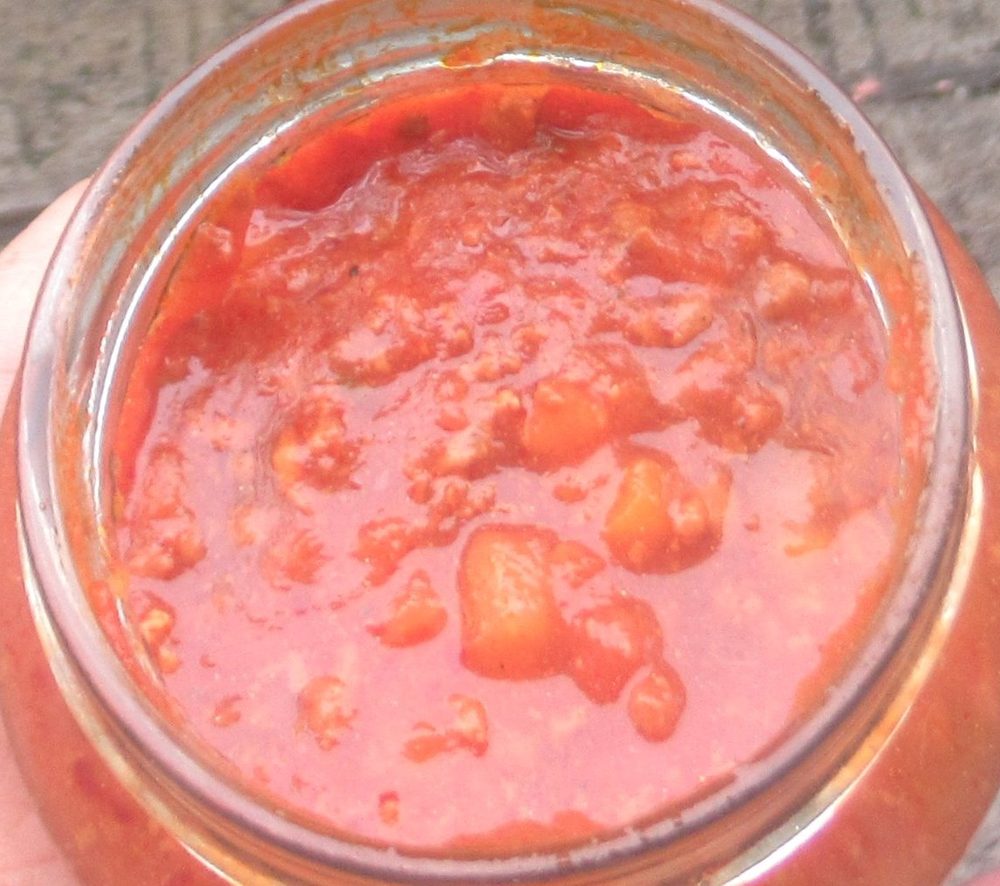
Fighter 2: Ragù Napoletano (The High-Viscosity Monolith)
If Bologna is an exercise in micromechanics, Naples is structural hydraulic engineering. Ragù Napoletano does not mince its words, nor its meat. The Southern titan relies on substantial, whole-muscle selections: heavily marbled beef chuck, pork neck, tough ribs, and flank steak rolled into braciole bound with garlic, pecorino, and lard.
The process begins with an aggressive, hard sear in a deep terracotta or heavy cast-iron vessel. High-heat conduction induces intense Maillard browning across the exterior fascial sheaths, generating heterocyclic amines and robust flavor compounds that will later diffuse into the sauce. Copious quantities of minced onions are slowly melted in olive oil or strutto, effectively caramelizing through gentle enzymatic breakdown into a sweet, sulfurous base.
Then comes the tomato deluge: liters of high-acid San Marzano pelati are introduced. The sauce enters the legendary pippiare state—a thermal sweet spot strictly held between 80°C and 85°C. At this temperature, the whole muscle cuts undergo a dramatic metamorphosis. Denaturation of myosin (40–50°C) and actin (66–73°C) has already occurred, but the extended braise allows insoluble triple-helix collagen fibers to progressively unwind and cleave into water-soluble gelatin peptides.
Simultaneously, the tomato matrix breaks down. Insoluble cellulose softens while native pectins interact with the newly released gelatin, forming an ultra-viscous, deeply red hydrocolloid network. The meat is not mere condiment; it is a structural reservoir that continuously trades moisture, myoglobin breakdown products, and lipids with the surrounding acidic medium over eight hours.
Biomechanical Pitfalls: Where the Contenders Crash
Both fighters walk a treacherous thermodynamic tightrope. A single technical error can instantly destabilize either sauce’s mechanical balance.
The Failure Modes of Bolognese
- The Broken Emulsion (Lipid Pooling): If the simmer temperature exceeds 92°C, the delicate equilibrium between dairy fats, rendered animal fats, and water collapses. Without sufficient mechanical agitation or adequate gelatin concentration from the stock, the fat separates into a floating, slick puddle of orange grease that coats the tongue and repels pasta starch.
- Casein Curdling (Acid Shock): If dry, high-acid white wine is introduced simultaneously with or immediately prior to cold milk, the pH of the mixture drops below the isoelectric point of casein (pH 4.6). The dairy proteins instantly aggregate, transforming a luxurious sauce into an unappetizing suspension of gritty curds.
- Thermal Desiccation of Mince: Searing the ground meat too aggressively driven by excess heat drives out free water prematurely. The myofibrils tighten into hard, rubbery pellets that no amount of subsequent simmering can rehydrate.
The Failure Modes of Napoletano
- Stringy Muscle Desiccation: If the heat spikes past the gentle pippiare threshold into an active boil (>95°C), the collagen-to-gelatin conversion happens too late to save the muscle fibers. The rapid contraction of actin squeezes all residual moisture from the interior of the whole cuts, yielding stringy, dry, chalky meat.
- Runaway Acidity: San Marzano tomatoes feature high citric and malic acid profiles. If the onion base is insufficiently caramelized or the reduction is pushed too fast without allowing the acid to volatilize and mellow, the sauce delivers a sharp, enamel-stripping astringency that overpowers the savory profile of the pork.
- Pectin Scorching: The massive particulate load of whole tomatoes settled at the bottom of the pot creates a thermal barrier. Without continuous agitation, the viscous tomato-pectin gel forms hotspots against the bottom metal, carbonizing and tainting liters of sauce with acrid, burnt pyrolytic compounds.
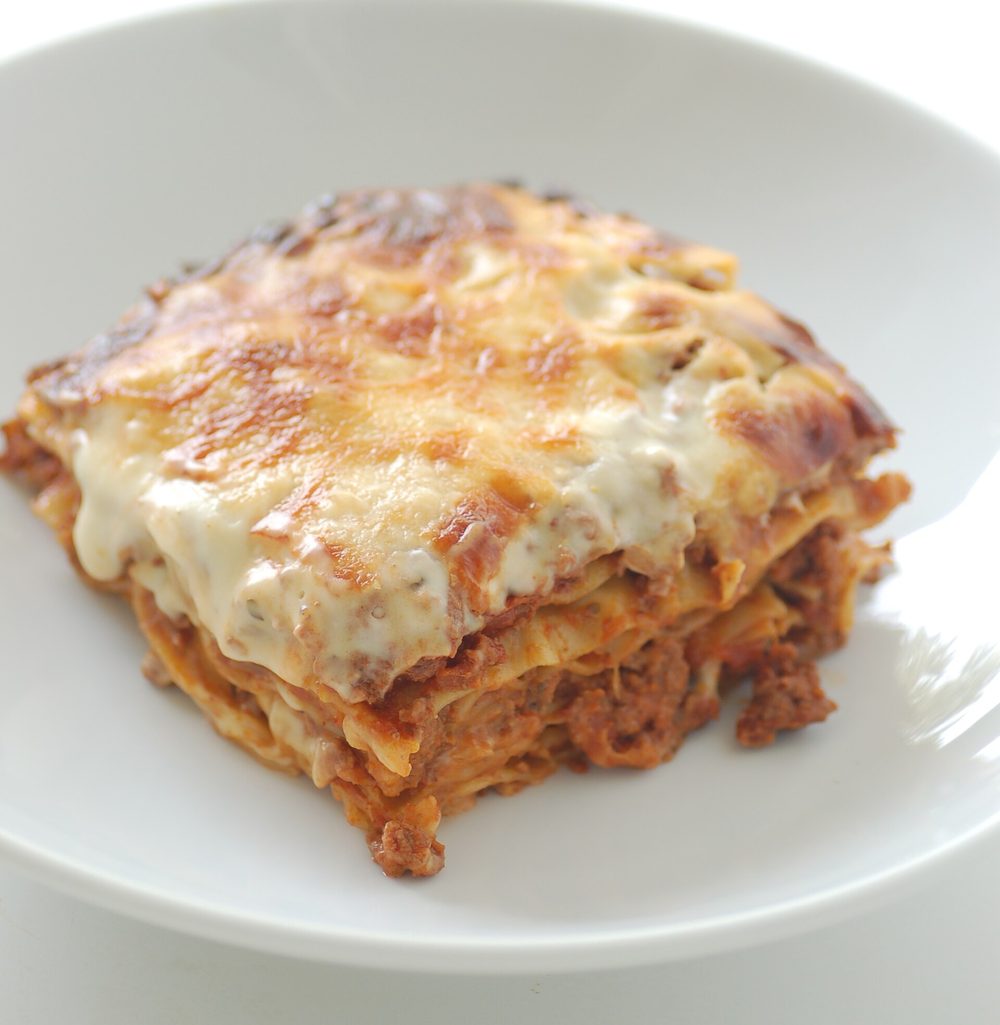
Starch Mechanics and Pasta Surface Adhesion
A ragù does not exist in a vacuum; its ultimate operational test is its dynamic union with pasta. The interface where sauce meets starch is governed by strict mechanical adsorption and rheology.
Ragù alla Bolognese finds its biological soulmate in fresh, laminated egg tagliatelle. The presence of whole eggs supplies an albumin- and lecithin-rich gluten-protein network that creates a microscopically rough, porous pasta exterior. As the pasta finishes cooking directly within the ragù (saltare in padella), the fine meat particulates fit neatly into the folds of the wide ribbon.
Crucially, the free starches leached into the emulsified dairy-lipid matrix undergo rapid retrogradation, fusing the sauce directly to the surface of the pasta. The Bingham-plastic nature of Bolognese ensures that the sauce clings against gravitational shear without dripping off the fork.
Ragù Napoletano demands a completely different kinetic vehicle: extruded, bronze-die, high-protein durum wheat semolina, classically broken by hand (ziti spezzati). The extruded surface possesses macroscopic ridges and micro-fissures created by the friction of the bronze die.
When the Napoletano sauce is strained of its massive braised meats (which are traditionally reserved for the second course), its gelatin-pectin complex functions as a high-shear thixotropic glaze. As the hot, hollow ziti are tossed, the thick sauce floods the inner lumen and clings to the rough exterior. The high concentration of extracted gelatin provides an adhesive slickness that matches the chewy, resistant al dente core of dried semolina.
The Arbiter’s Final Verdict
Ragù Napoletano is a cultural spectacle—a theatrical, soul-stirring ritual that yields both a majestic pasta dressing and an entire feast of succulent, fork-tender braised meats. But in the cold, unyielding arena of culinary physics, Ragù alla Bolognese emerges as the superior pasta sauce.
The victory hinges on particle mechanics and emulsion stability. Napoletano’s whole-cut architecture inevitably requires a functional compromise: the meat must surrender its moisture to the sauce, often leaving the muscle interior slightly fibrous despite gelatin softening. Furthermore, the sauce’s reliance on high tomato pectin can easily skew heavy, acidic, or volatilely sticky.
Bolognese, by contrast, is an undisputed engineering triumph. By reducing the meat to uniform granules, calibrating the dairy proteins to insulate cellular structures, and keeping the tomato component strictly in an umami-supporting role, it achieves absolute structural integration. When tossed with egg tagliatelle, it does not merely coat the starch—it forms a single, continuous, hyper-emulsified gastronomic unit. Northern precision outclasses Southern scale: Ragù alla Bolognese takes the crown.
Image credits: P1898 / Wikimedia Commons / CC BY 4.0 · jules / stonesoup / Wikimedia Commons / CC BY 2.0